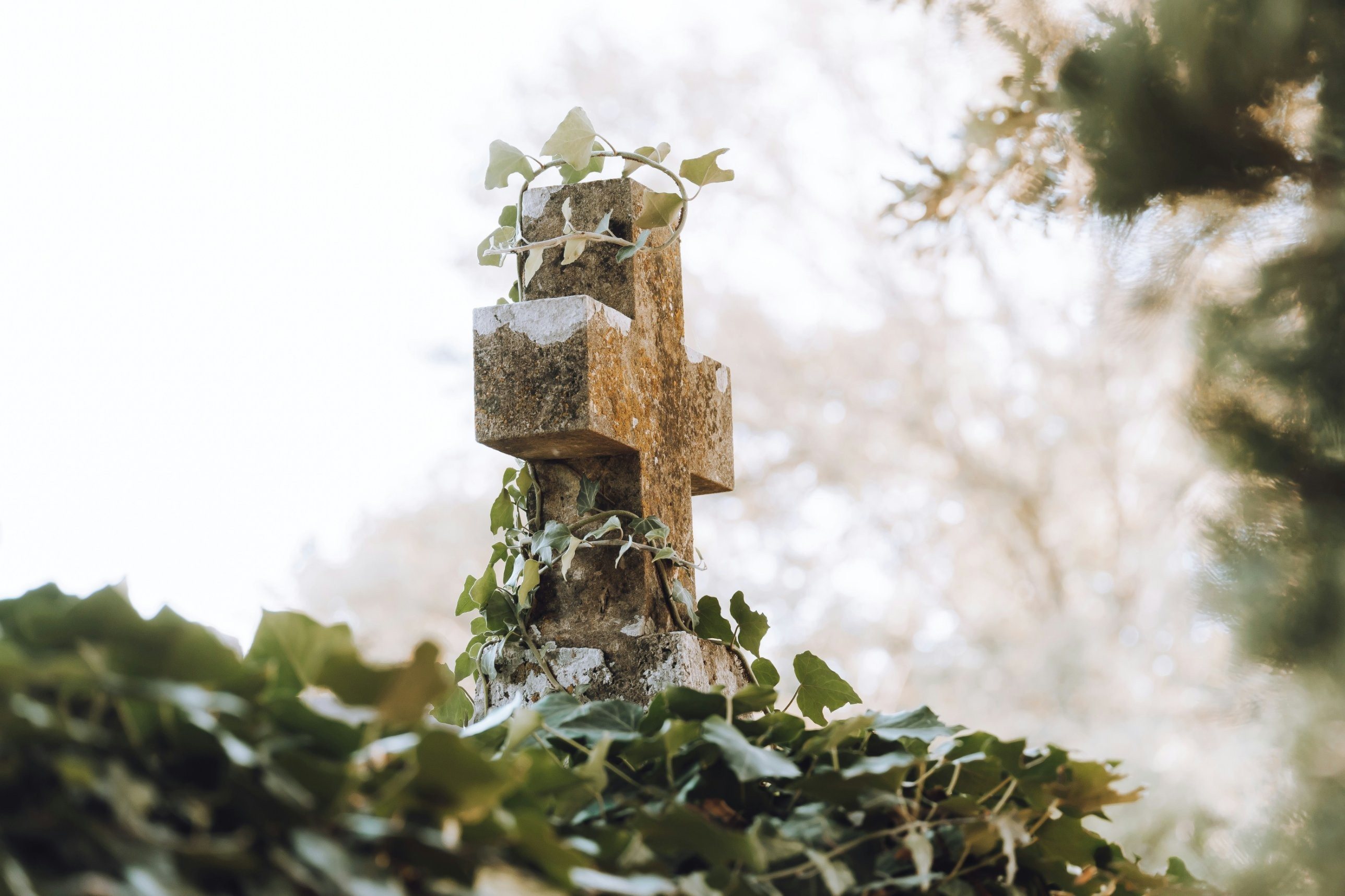
Friedrich Nietzsche correctly diagnosed the spiritual rot and passive nihilism of modern society, but his solution—the Übermensch (Overman)—was an exercise in human pride that collapsed into madness. He wanted man to create his own meaning through sheer will.
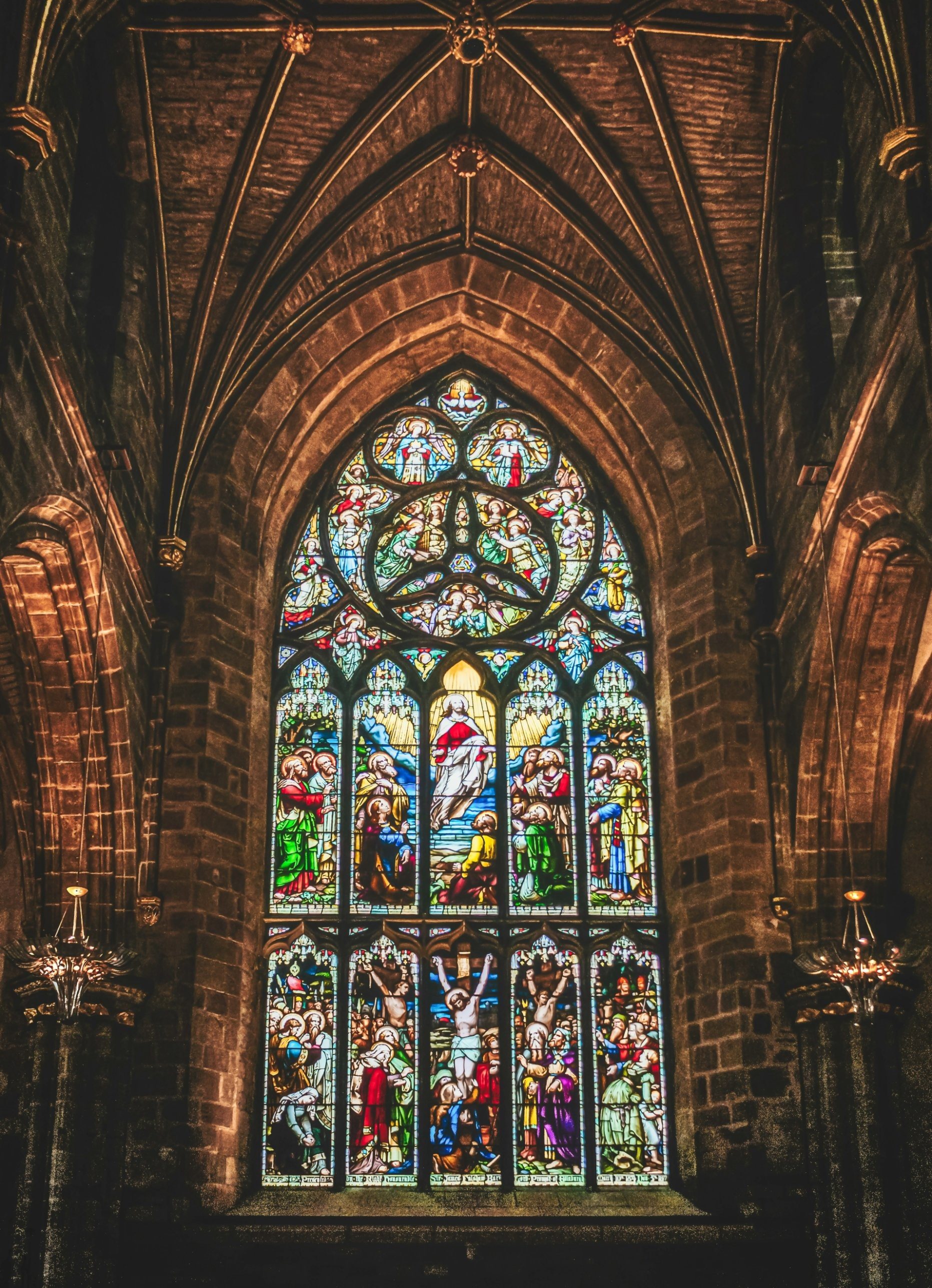
What happens when Nietzsche’s fire is surrendered to God? The Übermensch becomes the crucified and resurrected believer. True power is not self-exaltation; it is dying to the self to inherit divine authority. The drive to transcend human weakness is satisfied only through the Holy Spirit, not the fragile ego.
Nietzsche announced that God was dead and that we had killed Him. He was honest enough to tremble at what he had said. If there is no God, then every value must be forged again by the will alone, and the man strong enough to forge them must stand above the rest of us. It is a heroic picture. It is also a lonely one, and it ended in Turin in January of 1889, when the philosopher of the will collapsed and never wrote again.
The tragedy is not that Nietzsche wanted too much. It is that he wanted the right thing by the wrong road. He longed for a humanity that would overcome itself, that would rise above resentment, mediocrity and fear. Scripture longs for the same thing and names the road: not the exaltation of the self but its crucifixion. The Son did not grasp at equality with God but emptied Himself, and was therefore exalted above every name.
Here is the Overman surrendered. The believer who is crucified with Christ does not lose the fire Nietzsche saw; he receives it from Another. The will is not abolished but bowed, and what rises from that grave is not a superman made by his own hands but a son raised by his Father. That is the only transcendence that does not end in madness, because it is the only one that does not depend on us.